ALSO AVAILABLE THROUGH INSURANCE
Choosing the Right Dressing for HS
Finding the right wound dressing when you have Hidradenitis Suppurativa isn’t straightforward. Walk into a pharmacy, and you’ll find plenty of options, none that were designed with HS in mind.
The wrong dressing doesn’t just fail to help. It can actively make things worse: damaging fragile skin, failing to contain drainage, and adding to the daily burden of living with a condition that’s already demanding enough.
Here’s what to look for and why it matters.
What to look for: absorbency, flexibility, retention, comfort
Clinical guidelines are clear that HS wound care has specific requirements that standard dressings rarely meet. When choosing a dressing for HS, these are the criteria that matter most.
Absorbency
HS wounds frequently produce moderate to heavy exudate, fluid drainage that can vary in volume from day to day, even hour to hour. A dressing that can’t handle this will leak, which causes anxiety, limits daily activity, and means more frequent changes. Look for dressings specifically rated for moderate to heavy drainage.
Flexibility
HS wounds develop in areas that move constantly: underarms, groin, buttocks, under the breasts. A dressing needs to move with you, not against you. Rigid or bulky dressings simply can’t maintain coverage in these locations.
Retention
How a dressing stays in place is just as important as the dressing itself. In warm, moist, mobile areas, adhesive borders frequently fail. A dressing that shifts or lifts throughout the day offers no real protection, and replacing it repeatedly means more skin damage and more time spent on wound care.
Comfort
A dressing worn all day, every day needs to be genuinely comfortable. Thick, stiff, or poorly fitting dressings cause friction, add bulk under clothing, and can make movement painful.
Discretion
For many Hidradenitis Suppurativa patients, one of the greatest concerns is visibility, whether a dressing will show through clothing. A dressing that can be worn discreetly under everyday clothes makes an enormous difference to confidence and quality of life.
Types of dressings explained: super absorbent, foam, antimicrobial
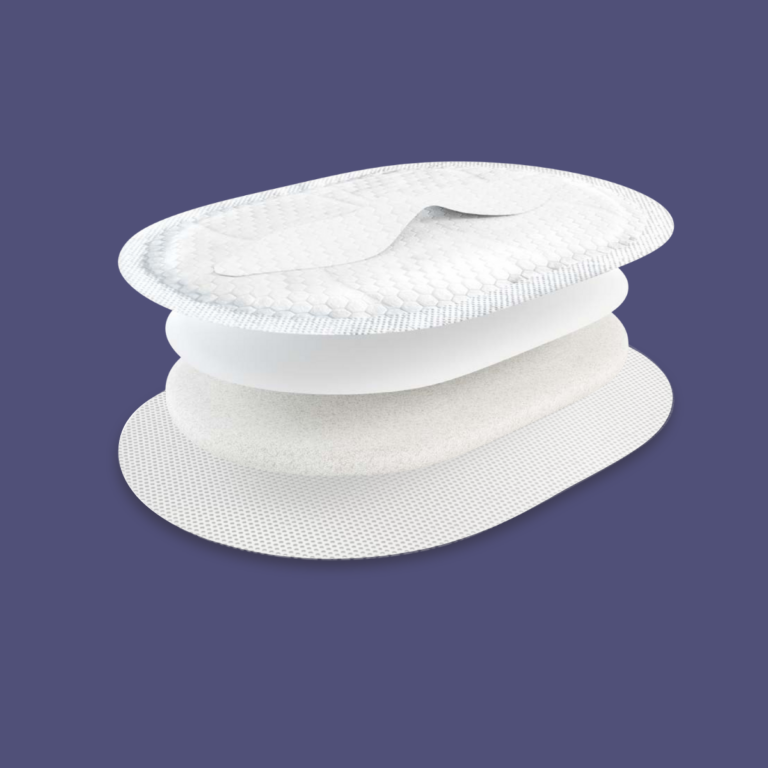
Super Absorbent Dressings
Designed to manage moderate to heavy wound drainage. They lock fluid away from the wound surface, helping to maintain the right moisture balance for healing while protecting against leaks. For HS patients with high-drainage wounds, super absorbent dressings are often the most effective option.
HidraWear Super Absorbent Dressings are designed specifically for Hidradenitis Suppurativa wound locations, with up to 30 dressings per wound area available monthly through US insurance DME coverage.
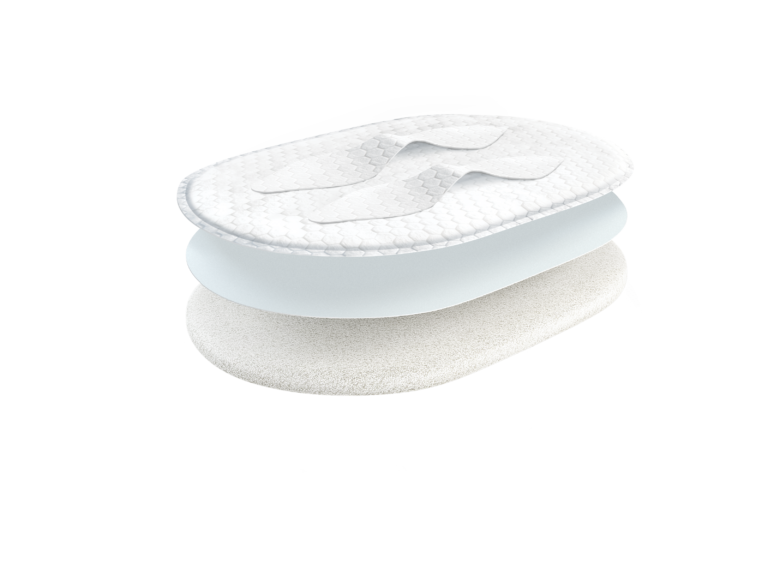
Foam Dressings
Soft, thin, and conformable, foam dressings provide cushioning and absorb moderate drainage. They work well for lower-drainage wounds or as a comfortable everyday option where absorbency demands are less acute. Their flexibility makes them better suited to HS wound locations than many standard dressings.
HidraWear Foam Dressings are designed to sit comfortably in place throughout the day without adding bulk.
Antimicrobial Dressings
For wounds showing signs of infection, increased redness, warmth, odour, or changes in drainage, antimicrobial dressings can help reduce bacterial load. These should be used on the advice of a healthcare provider rather than as a routine choice.
Adhesive vs adhesive-free: the case for garment-based retention
Most standard wound dressings rely on adhesive borders to stay in place. For HS patients, this creates a serious problem.
The areas where HS wounds develop – underarms, groin, buttocks, and under the breasts – are warm, moist, and in constant motion. Adhesives struggle to maintain a grip, meaning dressings shift and need replacing repeatedly throughout the day.
More significantly, repeated removal of adhesive dressings from already inflamed, fragile Hidradenitis Suppurativa skin causes a condition called MARSI, Medical Adhesive Related Skin Injury. This means skin stripping, pain, redness, and sometimes deeper tissue damage, on top of the HS wound itself.
Clinical guidelines now specifically recommend adhesive-free dressing retention systems as the preferred approach for HS wound locations.
Rather than relying on tape or adhesive borders, HidraWear uses specially designed garments, crop tops, T-shirts, and boxer briefs, with targeted treatment areas that hold dressings securely in place without any adhesive contact with the skin. Dressings stay put through movement, perspiration, and a full day’s activity. No MARSI. No repeated removal. No skin damage from the wound care itself.
What Clinical Guidelines Say
The British Dermatological Nursing Group (BDNG) consensus guidelines on Hidradenitis Suppurativa wound care are among the most comprehensive clinical frameworks available for HS dressing selection.
They identify several key principles for appropriate HS wound care:
- Dressings should be easy to apply, adjust and remove, ideally without assistance
- Retention systems should be adhesive-free to avoid MARSI
- Products should remain secure during flexion, movement and perspiration
- Dressings should manage exudate effectively without leaking
- The overall system should support patient independence and quality of life
HidraWear was developed in direct response to the gap between what clinical guidelines recommend and what was available to HS patients.
How HidraWear Addresses Each Criterion
| What Hidradenitis Suppurativa wound care needs | How HidraWear delivers |
|---|---|
| High absorbency for heavy drainage | Super Absorbent Dressings rated for moderate to heavy exudate |
| Flexibility for mobile wound locations | Soft, conformable dressings that move with the body |
| Secure retention without adhesive | Garment-based retention, no tape, no adhesive borders |
| All-day comfort | Breathable, wearable garments designed for everyday use |
| Discretion under clothing | Garments designed to sit flat and be invisible under normal clothes |
| Self-managed at home | Designed for independent use without clinical assistance |
Shop HidraWearNext: What is MARSI? →
Self-pay or Insurance- you decide!
As well as our self-pay shop, HidraWear is now also widely available through a broad range of Insurance providers including Medicare and Medicaid. It can be prescribed by your provider, billed directly to your insurer and delivered right to your door.