ALSO AVAILABLE THROUGH INSURANCE
Dressing Changes: Tips & Techniques
For many people living with Hidradenitis Suppurativa, dressing changes are the most demanding part of the day.
The time, the pain, the logistics of reaching difficult areas, and the emotional weight of doing something difficult before the rest of the day has even started. Research suggests HS patients spend an average of eight hours per month on dressing changes alone. For some, it’s considerably more.
The right technique, the right products, and a consistent routine won’t make HS easy. But they can make dressing changes faster, less painful, and more manageable, and that matters.
Before You Start
A little preparation before each dressing change makes the process significantly smoother.
Gather everything first. Have your new dressing, any cleansing products, disposal bags, and clean hands ready before you remove anything. Searching for supplies mid-change adds time and stress.
Choose your moment. If you have a choice, change dressings at a time of day when you’re least rushed and most comfortable, not when you’re already running late. Morning changes are often unavoidable, but if a second change is needed, building it into a calmer part of the day helps.
Find a good position. For wounds in difficult locations, groin, buttocks, under-breast, take a moment to find a position that gives you the best access before you start. A mirror can help for areas that are hard to see directly.
Pain management. If dressing changes are painful, consider timing them after any pain medication has taken effect, or speaking to your healthcare provider about appropriate pain relief options specifically for wound care. You don’t have to endure unnecessary pain during this process.
Step-by-Step: Changing Your Dressing
Step 1: Wash your hands thoroughly before touching the wound or any dressing materials.
Step 2: Remove the old dressing carefully. If using adhesive dressings, apply a silicone-based adhesive remover around the border first and allow it to work for a moment before peeling back slowly and low, never pulling upward at an angle. Support the surrounding skin with your other hand. If using HidraWear garments, simply slide the garment aside to access the dressing, no adhesive removal needed.
Step 3: Assess the wound. Before reaching for a new dressing, take a moment to look at the wound. Note the drainage colour, volume, and any changes in the wound or surrounding skin. This is useful information for your healthcare provider and helps you spot early signs of infection.
Step 4: Cleanse the wound if needed. Use a wound cleanser or cooled boiled water, not antiseptic wipes or hydrogen peroxide, which can damage healing tissue. Pat the surrounding skin dry gently. Avoid rubbing.
Step 5: Apply the new dressing. Position it centrally over the wound, ensuring full coverage. If using a HidraWear dressing, place it in the targeted treatment area of your garment before putting it on; this is often easier than trying to position a dressing in situ.
Step 6: Secure and check. Once your dressing is in place, check that it’s sitting flat, fully covering the wound, and comfortable. Move around briefly to confirm it stays in position.
Step 7: Dispose of used materials hygienically and wash your hands again.
Managing Hard-to-Reach Wounds
Some Hidradenitis Suppurativa wound locations are genuinely difficult to dress independently, particularly the buttocks, lower groin, and under the breast.
A few things that help:
- Use a mirror. A full-length mirror, or a small handheld mirror, makes a significant difference for wounds you can’t see directly.
- Sit or lie down. Dressing buttocks or lower groin wounds while standing is often impractical. Find a comfortable seated or lying position that gives you better access and stability.
- Pre-position dressings in garments. With HidraWear, you can place the dressing in the garment’s treatment area before putting it on, which is often far easier than trying to apply a dressing directly to a wound in an awkward location.
- Ask for help when you need it. There is no reason to struggle alone. If a wound location makes independent dressing genuinely difficult, speak to your healthcare provider about options, including a referral to a community nurse for assistance if needed.
Signs a Wound Needs Medical Attention
A dressing change is also a chance to monitor your wound. Contact your GP or wound care nurse if you notice:
- Increased pain, heat, or swelling around the wound
- Changes in drainage, particularly if it becomes cloudy, green, or has a strong odour
- Spreading redness around the wound edges
- Fever or feeling generally unwell alongside wound changes
- A wound that isn’t progressing or appears to be getting worse despite appropriate care
These can be signs of infection or a change in your wound status that needs professional assessment.
Keeping a Wound Diary
A wound diary is one of the simplest and most useful tools for managing HS wounds, and one of the least used.
A brief daily note, drainage level, dressing used, any pain or skin changes, and how many changes were needed gives you and your healthcare provider a clear picture of how your wound is behaving over time. It helps identify patterns, track improvement, and provide accurate information at appointments rather than trying to recall details from memory.
It doesn’t need to be elaborate. A notes app on your phone, or a few lines in a notebook, is enough. What matters is consistency.
Next: When to See a Wound Care Specialist →
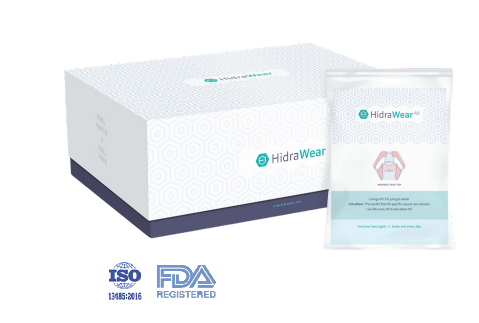
Self-pay or Insurance- you decide!
As well as our self-pay shop, HidraWear is now also widely available through a broad range of Insurance providers including Medicare and Medicaid. It can be prescribed by your provider, billed directly to your insurer and delivered right to your door.